How to Become a Notary Signing Agent (2026)

How to Become a Notary Signing Agent: Complete 2026 Guide
A notary signing agent (NSA) is a notary public who specializes in handling loan document signings. When someone buys a home, refinances a mortgage, or takes out a home equity loan, a signing agent is often the person who meets with the borrower to guide them through the stack of documents, witness their signatures, notarize the required pages, and return the completed package to the title or escrow company.
Signing agents typically earn more per appointment than general notary work, making it an attractive career path or side income for commissioned notaries. Here is how to get started.
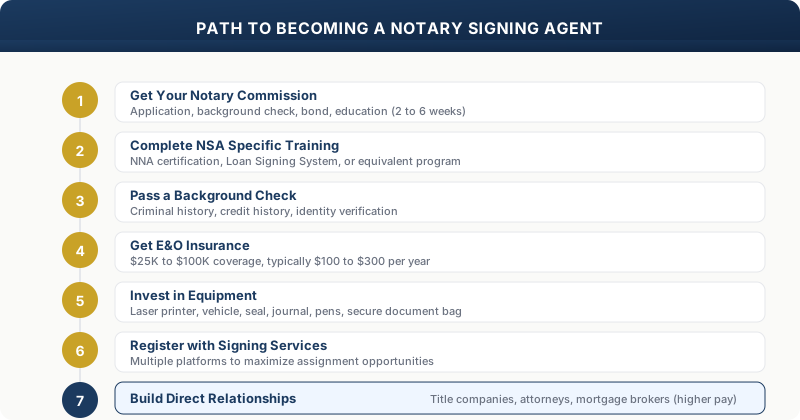
Step 1: Become a Commissioned Notary Public
Before you can work as a signing agent, you must first hold an active notary public commission in your state. The requirements for becoming a notary vary by state but generally include being at least 18 years old (some states require 21), being a legal resident of the state where you are applying, passing a background check, completing any required education or training, submitting an application and paying the filing fee, and obtaining a notary bond and surety (amounts vary by state).
The process typically takes two to six weeks depending on your state. Some states, like California and New York, require applicants to pass an examination.
Step 2: Complete NSA Specific Training
While your notary commission qualifies you to perform notarial acts, signing agent work requires additional knowledge that goes well beyond standard notarization. You need to understand the loan signing process, know the key documents in a loan package, and be able to guide borrowers through the signing efficiently and professionally.
Several organizations offer signing agent training and certification. The National Notary Association (NNA) offers a widely recognized Certified Notary Signing Agent designation. The Loan Signing System and other private training programs provide comprehensive courses as well.
Training typically covers the anatomy of a loan document package, key documents borrowers will sign (deed of trust, promissory note, closing disclosure, right of rescission, and others), common errors that can delay or kill a closing, how to handle borrower questions without giving legal or financial advice, professional presentation and communication skills, and shipping and tracking procedures for completed packages.
Step 3: Pass a Background Check
Title companies, signing services, and lenders require signing agents to pass a background screening. The NNA background check is the most widely accepted in the industry, but some signing services run their own checks.
The background check typically covers criminal history, credit history, and identity verification. Having a clear background is essential because most signing services will not work with agents who have felony convictions or certain financial issues.
Step 4: Get Errors and Omissions Insurance
Errors and omissions (E&O) insurance protects you in case a mistake during a signing leads to a claim against you. While not legally required in all states, virtually every signing service and title company requires their signing agents to carry E&O insurance.
Coverage amounts typically range from $25,000 to $100,000, with annual premiums that are generally quite affordable, often between $100 and $300 per year depending on the coverage amount and your state.
Step 5: Invest in Equipment
Professional signing agents need reliable equipment. At a minimum, you will need a high quality laser printer (for printing documents when required), a reliable vehicle (for mobile signings), a professional notary seal and stamp, extra journal books, blue and black ink pens (many lenders require blue ink for originals), a cell phone for communication and GPS navigation, and a secure bag or briefcase for transporting documents.
If you plan to offer electronic or hybrid closings, you may also need a laptop or tablet with appropriate signing software.
Step 6: Register with Signing Services
Signing services act as intermediaries between title companies and signing agents. They assign signings, manage scheduling, and handle payment. Registering with multiple signing services increases your chances of getting assignments.
When creating your profiles, highlight your certification, background check status, E&O insurance coverage, geographic service area, availability and flexibility, and any specializations such as reverse mortgage signings or commercial closings.
Build your reputation by accepting assignments promptly, arriving early, being professional, and returning completed packages quickly. Early in your career, you may need to accept lower paying assignments to build your track record and get reviews.
Step 7: Build Direct Relationships
While signing services are a good starting point, the most successful signing agents eventually build direct relationships with title companies, escrow officers, real estate attorneys, and mortgage brokers. Direct relationships typically pay more than assignments through signing services because there is no intermediary taking a fee.
Networking at local real estate events, joining professional associations, and providing consistently excellent service are the most effective ways to build these relationships over time.
What Does a Signing Agent Earn?
Signing agent fees vary significantly based on location, document type, and whether you work through signing services or have direct relationships. General loan signing fees typically range from $75 to $200 per appointment through signing services, while direct relationships with title companies can pay $150 to $300 or more. Reverse mortgage signings and commercial closings often command higher fees.
Your actual income depends on how many signings you complete, your geographic area, and how efficiently you manage your schedule. Full time signing agents who have built a strong reputation and direct client relationships can earn a substantial income, while part time agents often use signing work to supplement other notary or professional income.
Common Challenges
Dealing with borrower anxiety. Many borrowers are nervous during a loan signing, especially first time home buyers. Your job is to be calm, professional, and patient, guiding them through each document without rushing.
Staying neutral. You will be asked questions about interest rates, loan terms, and whether the borrower is getting a good deal. You cannot answer these questions. Any advice about the loan terms constitutes unauthorized practice of law or financial advising. Direct borrowers back to their loan officer or attorney.
Managing tight deadlines. Loan signings often happen on tight schedules. You may receive documents with little notice and need to complete the signing and return the package within hours. Reliability and time management are essential.
Handling errors and corrections. If a document contains an error, you need to know how to handle it properly. Some errors can be corrected at the table with an initial and date, while others require a new document from the lender. Knowing the difference is critical.
How Notary Guide Helps
Notary Guide's Signing Agent plan was built specifically for NSA professionals. It includes loan document reference guides that explain the purpose of common loan documents and where signers need to sign, step by step signing presentation scripts for guiding borrowers through the package professionally, a pre appointment security assessment checklist, and professional standards and best practices.
Combined with all 50 state compliance guides and all 14 notarial service types, the Signing Agent plan gives you everything you need for both the notarial and professional aspects of loan signing work.
Key Takeaways
Start with a solid notary commission and add NSA specific training. Get your background check, E&O insurance, and equipment before seeking assignments. Register with multiple signing services to maximize your opportunities early on. Build toward direct title company and attorney relationships for higher pay. Stay within your scope and never give legal or financial advice.
Try Notary Guide's Signing Agent tools free during the beta and see how step by step guidance can improve your signing practice.